Selecting the right LED power source is a task that appears straightforward initially, but it can vastly impact the performance of your lighting. Getting it right means consistent brightness, a longer-lasting product, and less stress. Pick the wrong one, and you might deal with flickering lights, overheating, dim illumination, or even a nonfunctional strip.
Whether you’re setting up a cozy shelf light or a whole room filled with decorative fixtures, the fundamentals are the same: align the power rating, verify the voltage, and ensure the adapter is up to the task. It sounds simple, and it generally is. Yet, the devil’s in the details.
What Makes an LED Power Supply Essential?
An LED power supply acts as a transformer, converting standard household power into the specific voltage required by LED lights. Most LED strips and lighting units can’t run directly from standard wall power; they require a stable low-voltage output, typically 12V or 24V.
This is why individuals often hunt for a 12V LED power adapter or an LED strip light power adapter. The adapter isn’t just a connector; it’s the guardian that maintains a stable current and safeguards your lights from harm.
In layman’s terms, the power supply is the crucial link between the wall outlet and the LED lights.
LED Driver vs. Power Adapter: Deciphering the Difference
A frequent query revolves around the LED driver versus the power adapter. Folks use these terms interchangeably, and while they’re often similar, they do have distinct roles.
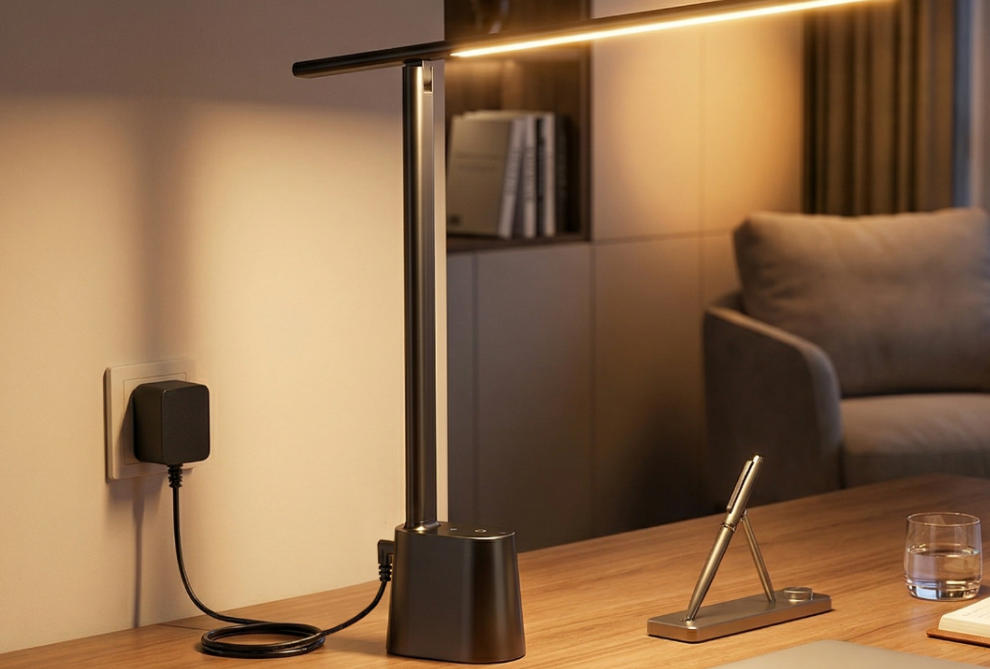
A power adapter typically converts AC power from the wall to the DC power required by LED lights. It’s commonly used with LED strips, light bars, and numerous plug-and-play lighting products.
On the other hand, an LED driver is often integrated into specialized lighting systems, providing more precise current control, crucial for specific LED modules, downlights, or commercial setups.
For the majority of home applications, particularly with LED strips, a standard LED power supply or a 12V LED adapter should suffice. For more sophisticated installations, an LED driver might be the more suitable option.
Therefore, when shopping for the optimal power supply for your LED lighting, begin by identifying what your LED product demands. This approach will save you time, money, and the headache of making costly mistakes.
The Vital Role of Voltage
Voltage is a prime factor to consider. If your LED strip is designed for 12V, then you need a 12V power source—precisely 12V, not 9V or 24V.
Choosing the wrong voltage can spell trouble. Too low, and the lights might malfunction. Too high, and you risk torching them.
Hence, the prevalence of 12V LED adapters, which align with a myriad of household LED devices and serve many strip lights, signage, and decorative projects effectively.
Should your lights be rated for 24V, then a 12V supply won’t cut it. They might flicker or not turn on at all. It’s a tiny detail that can make a huge difference.
How to Calculate LED Power Supply Needs
When selecting an LED power supply, a crucial step is to perform a basic calculation. You don’t have to be a technical whiz; a bit of arithmetic will do.
First things first, determine the wattage of your LED strip or fixture. For instance, if a single meter requires 10 watts and you’re going to install five meters, you’re looking at a total of 50 watts.
Now, throw in a safety net. It’s wise to opt for a power supply that can deliver at least 20% more power than the actual load. So for a 50-watt configuration, something around a 60-watt or 72-watt unit would be a more secure bet.
This buffer helps the unit maintain cooler temperatures, extends its lifespan, and leaves room for adjustments down the line.
Ever pondered how many LEDs a 12V adapter can manage? The answer hinges on the wattage of the LEDs. A 12V adapter doesn’t power a set number of LEDs; it powers a certain wattage.
For a snapshot:
A 12V 2A adapter can push out around 24 watts.
A 12V 5A adapter can output about 60 watts.
A 12V 10A adapter can handle 120 watts.
So, the real question isn’t just the number of LEDs but the total power requirement of your LED setup.

How Many LEDs Can a 12V Adapter Power?
This is a common query, and it’s understandable. People seek a straightforward answer, but the reality is a bit more variable.
It boils down to the type of LED strip, its brightness, and the wattage per meter or per LED. Some strips sip power, while others, especially high-brightness or RGB strips, guzzle it.
A compact 12V adapter can power a brief strip below a shelf, whereas a beefier one can manage several meters of lighting in a room or display area.
So, when querying how many LEDs a 12V adapter can power, check the strip’s wattage first. Then divide the adapter’s wattage by the strip’s total wattage. This method offers a more precise result than simply counting LEDs.
For example, if your strip consumes 5 watts per meter and you’ve got 6 meters, that’s 30 watts total. A 12V adapter rated at 36 watts or more would be a solid fit.
Selecting the Right Power Supply for LED Lighting
The ideal power supply for LED lighting isn’t always the largest or the cheapest—it’s the one that fits the system just right and keeps running smoothly.
Here’s what to keep an eye out for:
Ensure the voltage aligns with the LED product. The wattage needs to be adequate for the full load. The current rating should be sufficient, and the build quality should be robust, especially if the lights are meant to run for long stretches.
A low-quality supply might work initially, but it can lead to flickering, excessive heat, buzzing, or premature failure. That’s why investing a bit more in a superior adapter can often be worth it.
For indoor decor lighting, LED strip projects, and straightforward home setups, a properly matched power adapter for LED strip lights typically suffices. For more extensive or technical projects, opting for an appropriate LED driver might be the smarter route.
Common Mistakes to Avoid
LED setups often hit snags due to overlooked slip-ups in the setup process. It’s not rocket science—just some simple stuff that’s easy to overlook.
A typical error is not considering the full wattage requirement. Misusing an adapter with the wrong voltage can also cause trouble. Plus, many overlook the voltage drop in lengthy LED strips, leading to a gradient of light intensity where the far end of the strip is fainter than the beginning.
Another pitfall is opting for a power supply without a buffer for safety. If the adapter is frequently pushed to its maximum capacity, it can overheat or deteriorate quickly.
And don’t overlook the importance of the plug type, output connector, and whether it’s for indoor or outdoor use. The best power supply on paper must also match your setup’s physical needs.
Why Opt for a 12V LED Power Supply
A 12V LED adapter is a go-to for countless lighting applications due to its simplicity, adaptability, and sheer availability. It excels in tasks like:
Under-cabinet and behind-the-TV LED strip lights
Decorative shelf lighting
Tiny signage
Do-it-yourself lighting projects
Low-voltage indoor illumination
If your LED product is designed for 12V DC, then this adapter is often your simplest and most feasible option. Just ensure it’s robust enough to power your strip all the way through.
Final Thoughts
Selecting the right LED power supply isn’t about adding layers of complexity. It’s about ensuring the right numbers align and picking a dependable product.
If you keep these basics in mind, you’ll be in good shape: make sure you match the voltage, calculate the wattage, allow for a bit of extra headroom, and opt for a supply that’s right for the job. That will sidestep a lot of headaches.
Whether you’re looking for a 12V LED adapter, a power adapter for LED strips, or comparing LED drivers versus power adapters, the key to success is all about stable power, which in turn guarantees stable lighting. That’s the bottom line: bright and flicker-free—no hassle.