


Load Regulation: Why Output Changes with Load
Load regulation describes how much a power supply’s output voltage changes as the connected load varies, typically from no load
Load regulation describes how much a power supply’s output voltage changes as the connected load varies, typically from no load
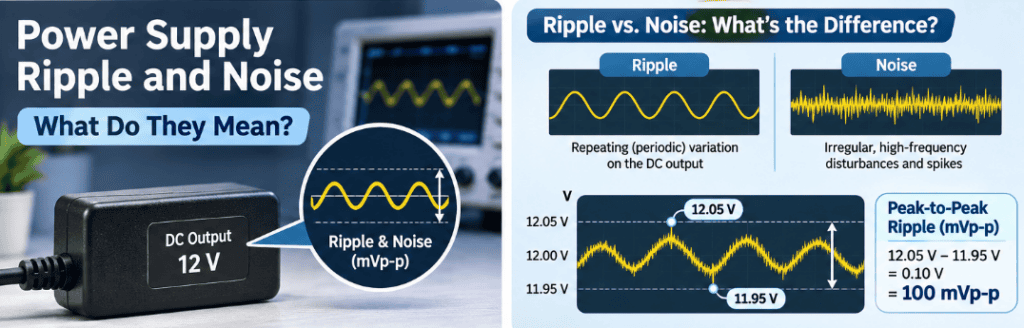
Ripple specifications cannot be compared reliably unless the measurement conditions are comparable. A power supply rated at 50mV peak-to-peak (mVp-p)
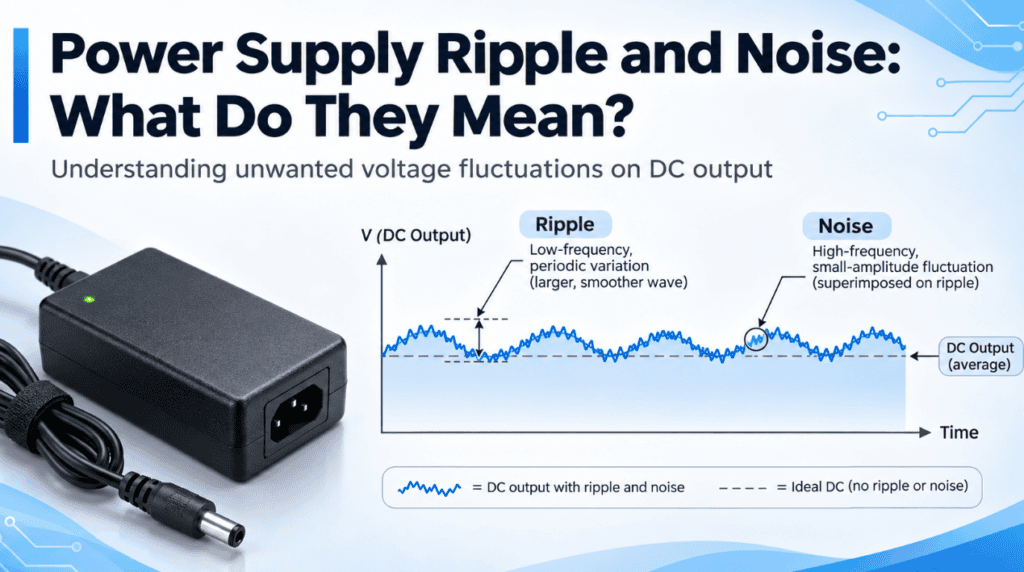
Power supply ripple and noise are unwanted voltage fluctuations present at a power supply’s DC output. Ripple generally refers to
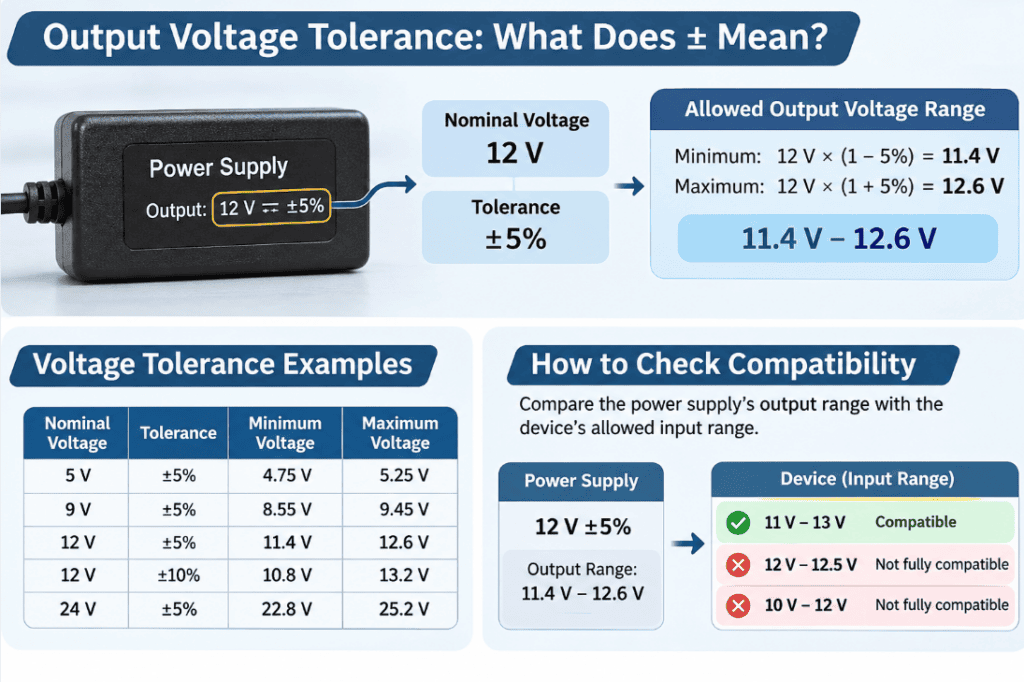
Output voltage tolerance indicates how much a power supply’s actual output voltage can differ from its nominal value. For example,
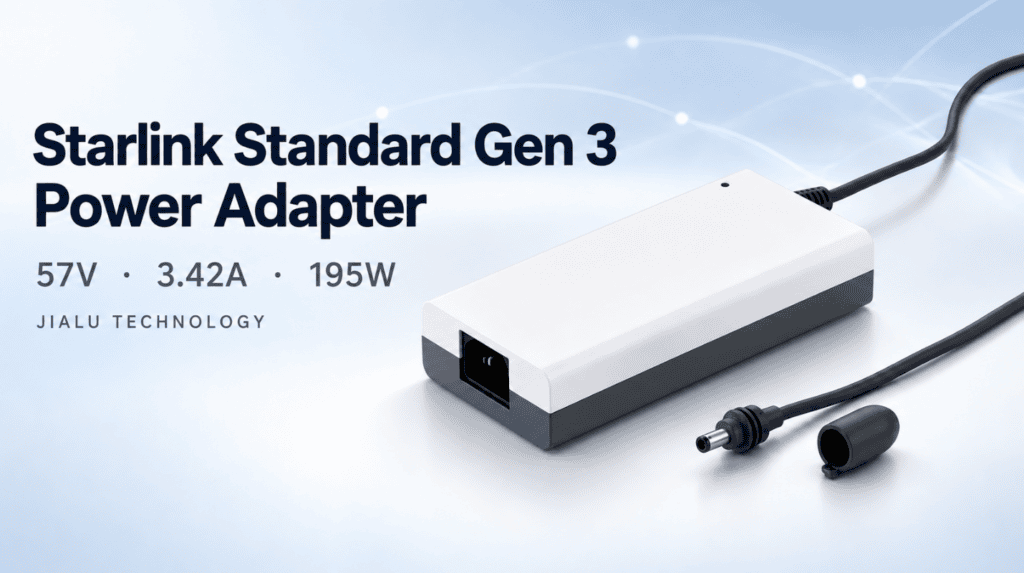
A power adapter is easy to overlook until it needs replacing. For a Starlink Standard Gen 3 setup, choosing another
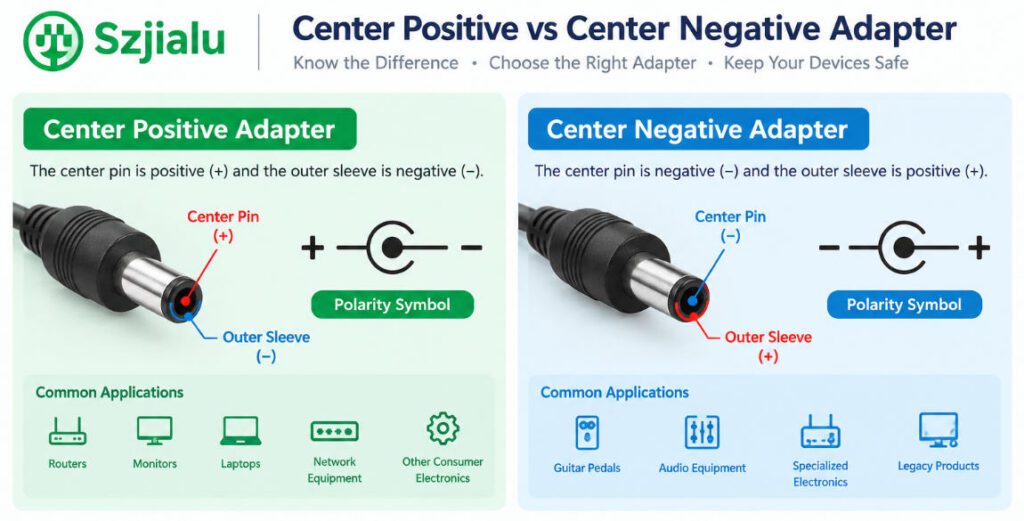
Choosing a power adapter involves more than matching the output voltage, current rating, and connector size. One specification that is
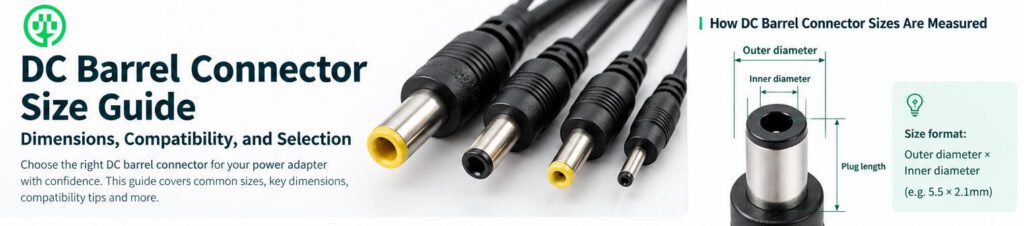
A DC barrel connector may look like a minor component in a power adapter, but its dimensions can determine whether
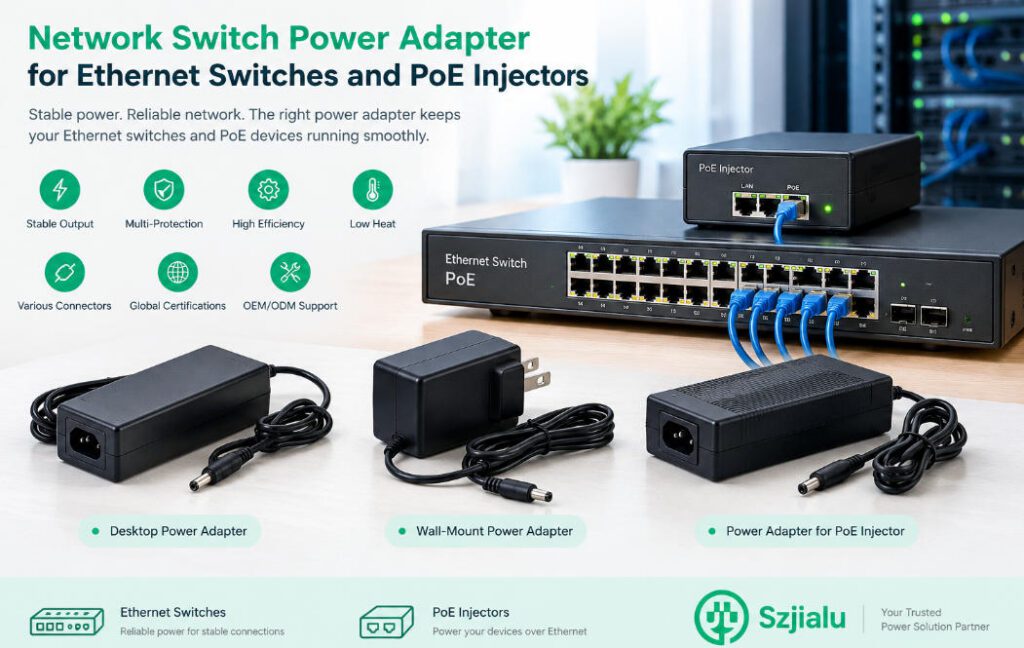
Ethernet switches and PoE injectors are often treated as networking components, but their power architecture deserves the same attention as
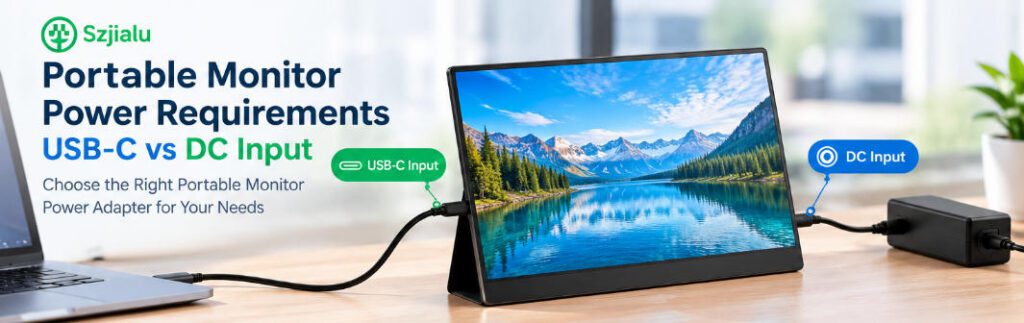
Portable monitors have changed the way people build mobile workstations, dual-screen laptop setups, gaming stations, and compact business displays. Unlike

Digital signage systems are becoming increasingly common in retail stores, transportation hubs, corporate offices, hotels, restaurants, healthcare facilities, schools, and