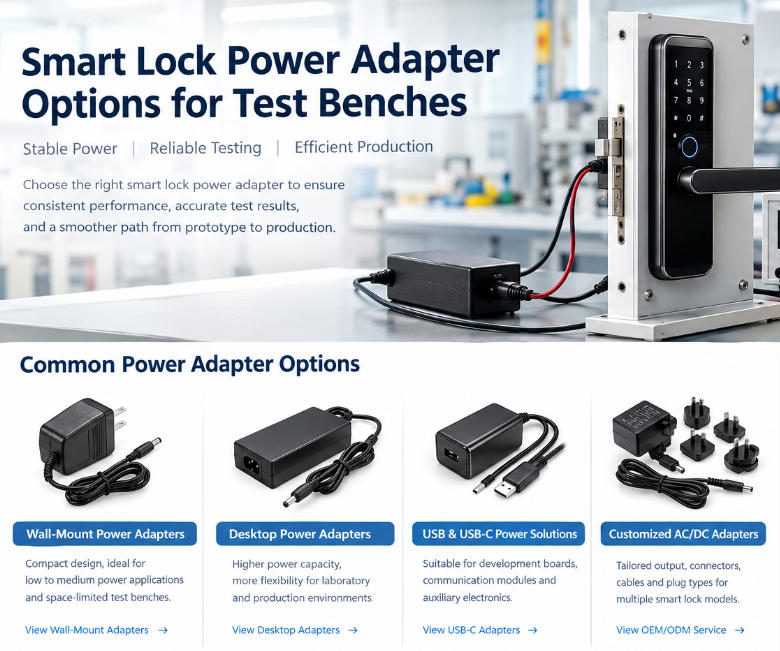
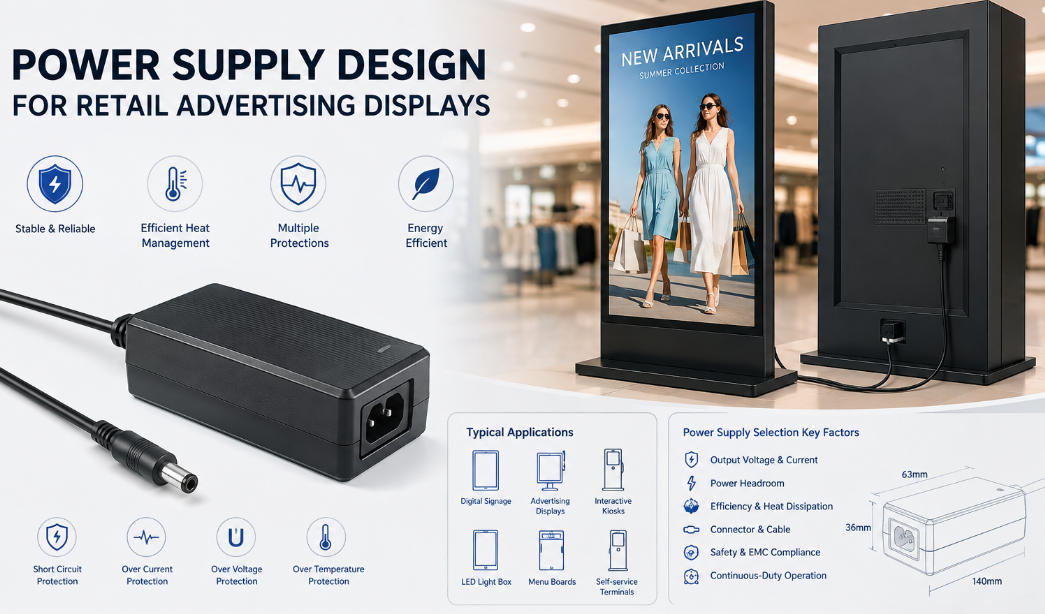
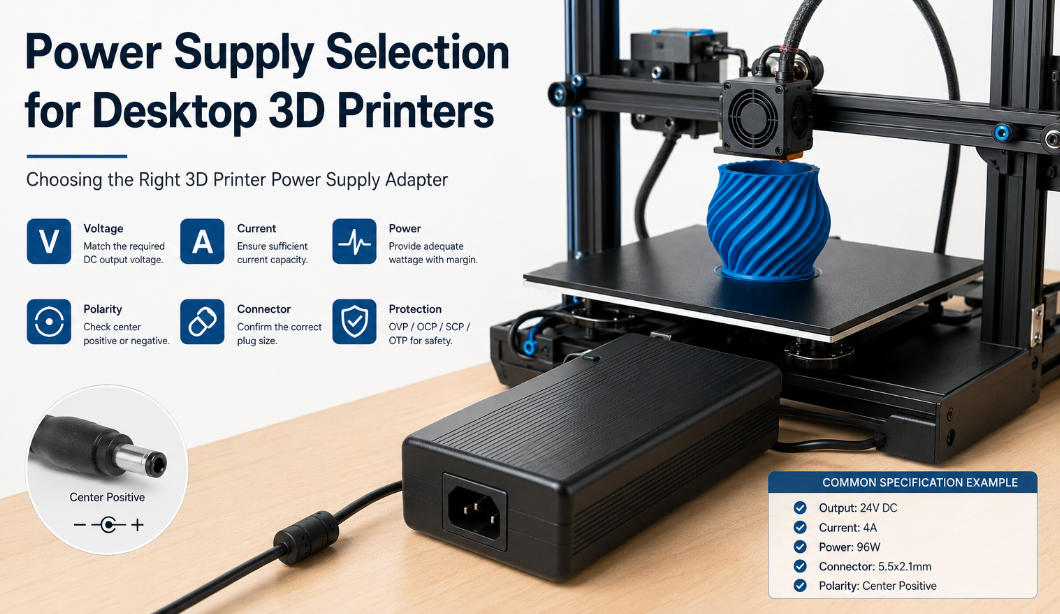
A 12V power adapter is one of the most commonly used external power solutions for electronic devices, industrial equipment, communication systems, LED applications, and consumer electronics. However, choosing the right adapter is not simply about finding a product labeled “12V.” The correct selection requires careful consideration of voltage compatibility, current capacity, connector type, polarity, efficiency, safety standards, and application requirements.
Using an unsuitable power adapter may cause unstable operation, overheating, reduced product lifespan, or even permanent damage to connected equipment. Whether you are replacing an existing adapter, developing a new electronic product, or sourcing power solutions for your business, understanding how to choose the right 12V power adapter is essential.
As a professional power adapter manufacturer, Szjialu provides customized and reliable AC/DC power solutions for global customers, including consumer electronics, industrial equipment, medical devices, and smart products. This guide explains the key factors you should evaluate before selecting a 12V power adapter.
1. Understand What a 12V Power Adapter Is
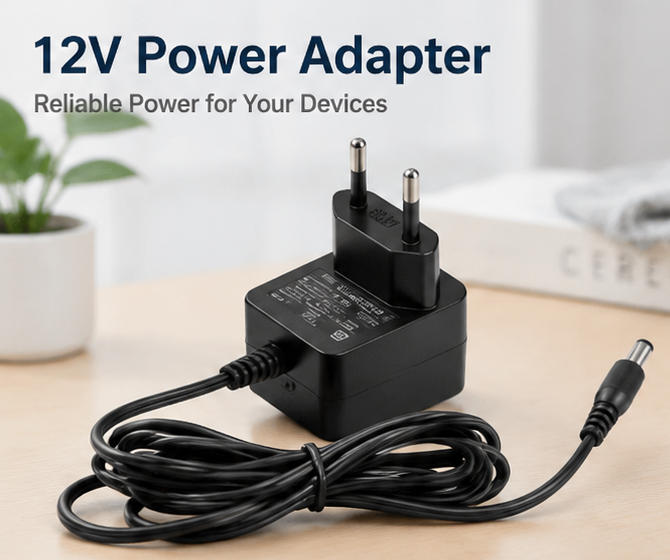
A 12V Power Adapter is a device that converts AC electricity from a wall outlet into a stable 12V DC output required by electronic equipment.
Most household electrical outlets provide AC power, typically 100V-240V depending on the region. Electronic devices, however, usually require low-voltage DC power. The adapter works as a bridge between the electrical grid and the device by converting and regulating power.
A typical 12V adapter includes:
- AC input circuit
- Transformer or switching conversion system
- Rectification and filtering components
- Voltage regulation circuit
- Protection mechanisms
- DC output connector
Modern adapters commonly use switching technology because it provides higher efficiency, smaller size, and better thermal performance compared with traditional linear power supplies.
For customers looking for reliable solutions, selecting a professional AC DC Power Adapter supplier ensures better quality control, safety compliance, and long-term performance.
2. Check the Output Voltage: Why 12V Must Match Exactly
The first and most important specification is output voltage.
A device designed for 12V DC power requires an adapter that provides a stable 12V output. Voltage mismatch can create serious problems.
For example:
- A lower voltage output may cause the device to malfunction or restart frequently.
- A higher voltage output may damage sensitive electronic components.
Unlike current ratings, voltage should generally match the original specification exactly.
When selecting a 12V power adapter, check:
- Output voltage: 12V DC
- Input voltage range: commonly 100-240V AC
- Voltage stability under different loads
A high-quality adapter should maintain consistent output voltage even when the connected device changes power demand.
This is why regulated designs are widely preferred. A regulated power adapter maintains stable voltage output and protects connected equipment from electrical fluctuations.
3. Choose the Correct Current Rating (Amp Requirement)
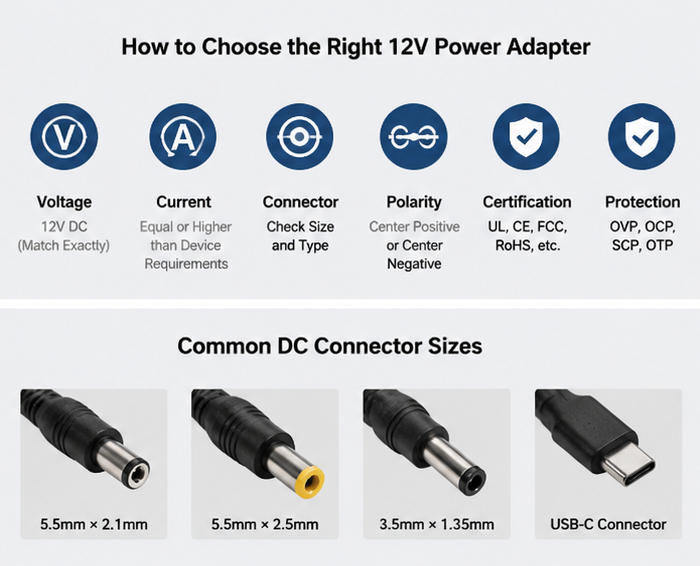
After confirming voltage, the next important factor is current.
A 12V adapter may come in different current ratings, such as:
- 12V 1A
- 12V 2A
- 12V 3A
- 12V 5A
- 12V 10A
The correct choice depends on how much current your device requires.
The basic rule is:
The adapter current rating should be equal to or higher than the device requirement.
For example:
If your device requires:
- Voltage: 12V
- Current: 2A
You can choose:
- 12V 2A adapter
- 12V 3A adapter
- 12V 5A adapter
However, you should not choose:
- 12V 1A adapter
because the adapter may operate beyond its capacity, resulting in overheating or unstable output.
A higher current-rated adapter does not force extra current into the device. The device only draws the amount of current it needs.
This makes current capacity an important consideration for industrial applications, LED systems, routers, cameras, and automation equipment.
4. Confirm Connector Size and DC Plug Type
Even if voltage and current specifications are correct, the adapter may not work if the connector is incompatible.
Common DC barrel plug sizes include:
- 5.5mm × 2.1mm
- 5.5mm × 2.5mm
- 3.5mm × 1.35mm
Before purchasing, check:
- Plug outer diameter
- Inner diameter
- Plug length
- Connector shape
Some applications may require:
- USB-C connectors
- Locking connectors
- Custom cables
- Waterproof connectors
- Aviation connectors
For OEM customers, customized cable lengths and connector designs are often necessary.
Szjialu supports customized power adapter solutions for different industries, helping customers develop products with specific electrical and mechanical requirements.
5. Verify Polarity Before Connecting
Polarity is another critical specification that is often overlooked.
Most DC adapters use:
- Center positive (+)
- Center negative (-)
The polarity symbol is usually printed on the adapter label.
Using an adapter with incorrect polarity can immediately damage electronic equipment.
Before replacing a 12V adapter, always compare:
- Voltage
- Current
- Connector size
- Polarity
All four parameters should match.
Professional manufacturers conduct polarity testing during production to ensure every adapter meets safety and reliability requirements.
6. Consider Adapter Efficiency and Energy Consumption
Efficiency is becoming increasingly important as electronic devices operate continuously.
A low-efficiency adapter:
- Wastes electricity
- Generates more heat
- Has shorter component life
- Requires larger cooling designs
A modern switching power adapter offers:
- Higher energy efficiency
- Lower standby power consumption
- Better thermal management
- Compact design
For commercial and industrial applications, energy efficiency can significantly reduce operating costs over the product lifetime.
When selecting a supplier, consider whether the manufacturer provides adapters that meet international efficiency standards such as:
- DOE Level VI
- EU ERP requirements
- Other regional energy regulations
7. Select the Right Safety Certifications
Safety certifications demonstrate that a power adapter has passed specific electrical and safety tests.
Depending on the target market, common certifications include:
- UL certification for North America
- CE certification for Europe
- FCC requirements for electromagnetic compatibility
- RoHS compliance for environmental standards
- UKCA certification for the United Kingdom
For businesses selling products internationally, choosing a certified supplier reduces compliance risks and speeds up market entry.
A professional power adapter manufacturer should have strict quality control procedures, including:
- Input/output testing
- High voltage testing
- Aging testing
- Temperature testing
- Safety inspection
8. Choose Between Wall Mount and Desktop 12V Adapters
12V adapters are commonly available in two main designs:
Wall Mount Adapter
A wall-mounted adapter integrates the AC plug directly into the adapter body.
Advantages:
- Compact design
- Easy installation
- Space-saving
- Suitable for consumer electronics
Common applications:
- Routers
- Cameras
- Small devices
- Home electronics
Desktop Adapter
A desktop adapter uses a separate AC power cable and a larger adapter body.
Advantages:
- Higher power capability
- Better heat dissipation
- More flexible installation
Common applications:
- Industrial equipment
- Medical devices
- Professional electronics
If you need more information about the differences, you can also read our guide about Wall Power Adapter vs Desktop Adapter to understand which design is more suitable for your application.
9. Consider Your Application Environment
Different applications require different adapter designs.
Consumer Electronics
Requirements usually include:
- Compact size
- Low noise
- Affordable pricing
- Stable output
Industrial Equipment
Industrial environments may require:
- Higher durability
- Longer operating life
- Better protection features
- Wider temperature range
Medical Equipment
Medical applications require stricter standards, including:
- Enhanced electrical isolation
- Low leakage current
- Medical-grade certifications
For medical applications, selecting a specialized medical power adapter is important because safety requirements are much higher than standard consumer products.
10. Understand Protection Features
A reliable 12V power adapter should include multiple protection systems.
Important protection features include:
Over Voltage Protection (OVP)
Prevents excessive voltage output that could damage connected devices.
Over Current Protection (OCP)
Protects the adapter when the connected equipment draws too much current.
Short Circuit Protection (SCP)
Automatically shuts down the output during a short circuit condition.
Over Temperature Protection (OTP)
Prevents overheating during abnormal operation.
These features improve reliability and reduce product failure risks.
11. Why Choose a Professional 12V Power Adapter Manufacturer?
Purchasing from a professional manufacturer provides several advantages compared with low-cost generic suppliers.
A reliable manufacturer can provide:
- Stable product quality
- Custom specifications
- Certification support
- Production consistency
- Technical assistance
- OEM/ODM services
For businesses, the power adapter is not just an accessory. It directly affects product reliability, customer satisfaction, and brand reputation.
Szjialu specializes in AC/DC power adapter solutions and works with customers worldwide to provide dependable power products for different industries.
From standard 12V adapters to customized power solutions, selecting an experienced manufacturer helps ensure long-term product success.
Conclusion: How to Choose the Right 12V Power Adapter
Choosing the right 12V power adapter requires more than checking the voltage label. A proper selection should consider:
- Correct 12V output voltage
- Suitable current rating
- Compatible connector size
- Correct polarity
- High efficiency
- Required certifications
- Application environment
- Protection features
Whether you are powering a small electronic device, industrial equipment, or a commercial product, the right adapter ensures stable operation and longer equipment life.
By understanding these key factors and working with a reliable supplier like Szjialu, businesses can select safe, efficient, and dependable 12V power solutions.