Let’s be honest—most people don’t think twice about a power adapter. You plug it in, your device charges, and that’s it. But behind that simple experience is something much more important: power adapter safety.
And here’s the uncomfortable truth: not all adapters are created equal. Some are rigorously tested and certified. Others? Cheap, unverified, and potentially dangerous.
If you’ve ever wondered “what certifications should a power adapter have?” or “is a cheap power adapter safe?”, this guide will walk you through everything—without overcomplicating things.
Why Power Adapter Safety Actually Matters
You might think, “It’s just a charger, how risky can it be?” Well… quite risky, actually.
A poorly designed or uncertified adapter can lead to:
- Overheating (and yes, even fires)
- Electric shock hazards
- Damage to your devices
- Shortened battery lifespan
- Energy inefficiency
Say it plainly: a bad adapter doesn’t just fail—it can take your device (or worse) down with it. That’s why choosing a certified power adapter isn’t just a technical detail. It’s a safety decision.
What Certifications Should a Power Adapter Have?
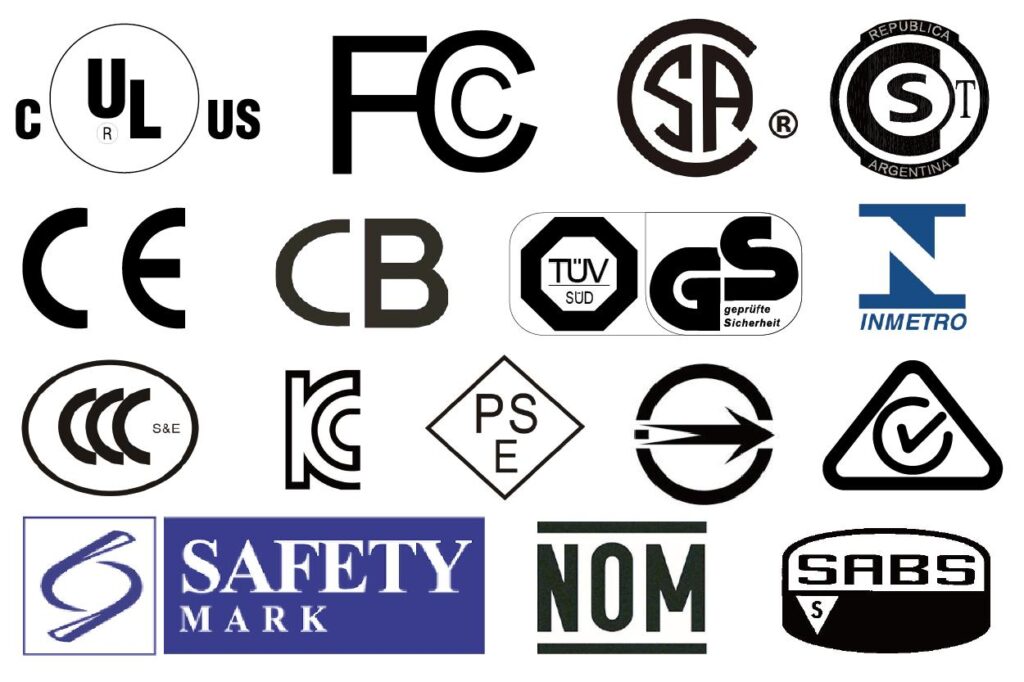
Let’s break this down in a simple, practical way. Certifications are basically proof that a product has passed safety and performance tests. If you’re buying or sourcing adapters, these are the big ones to look for:
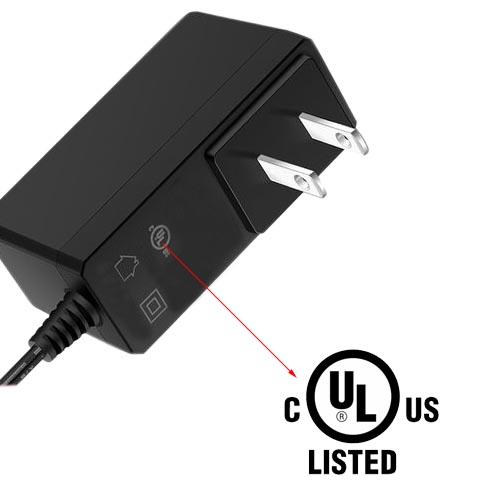
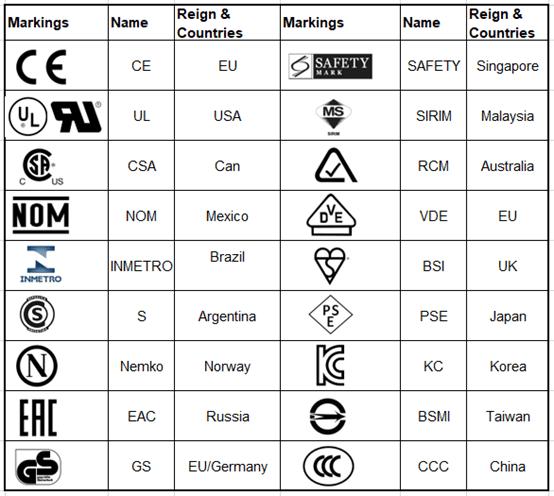
1. UL (Underwriters Laboratories)
- Mainly used in the United States
- Focuses on electrical safety and fire prevention
- One of the most trusted safety certifications globally
If your adapter is UL-listed, it means it has undergone strict testing for real-world risks. If you’re asking “what certifications should power adapter have in the US?” — UL is non-negotiable.
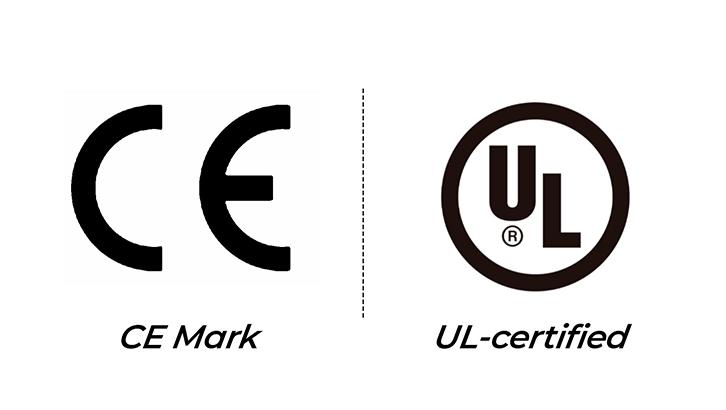
CE (Conformité Européenne)
- Required for products sold in the European Economic Area
- Covers safety, health, and environmental standards
But here’s the catch…
Not all CE marks are equal. Some low-quality manufacturers fake it.
So don’t just look for the logo—verify the supplier.
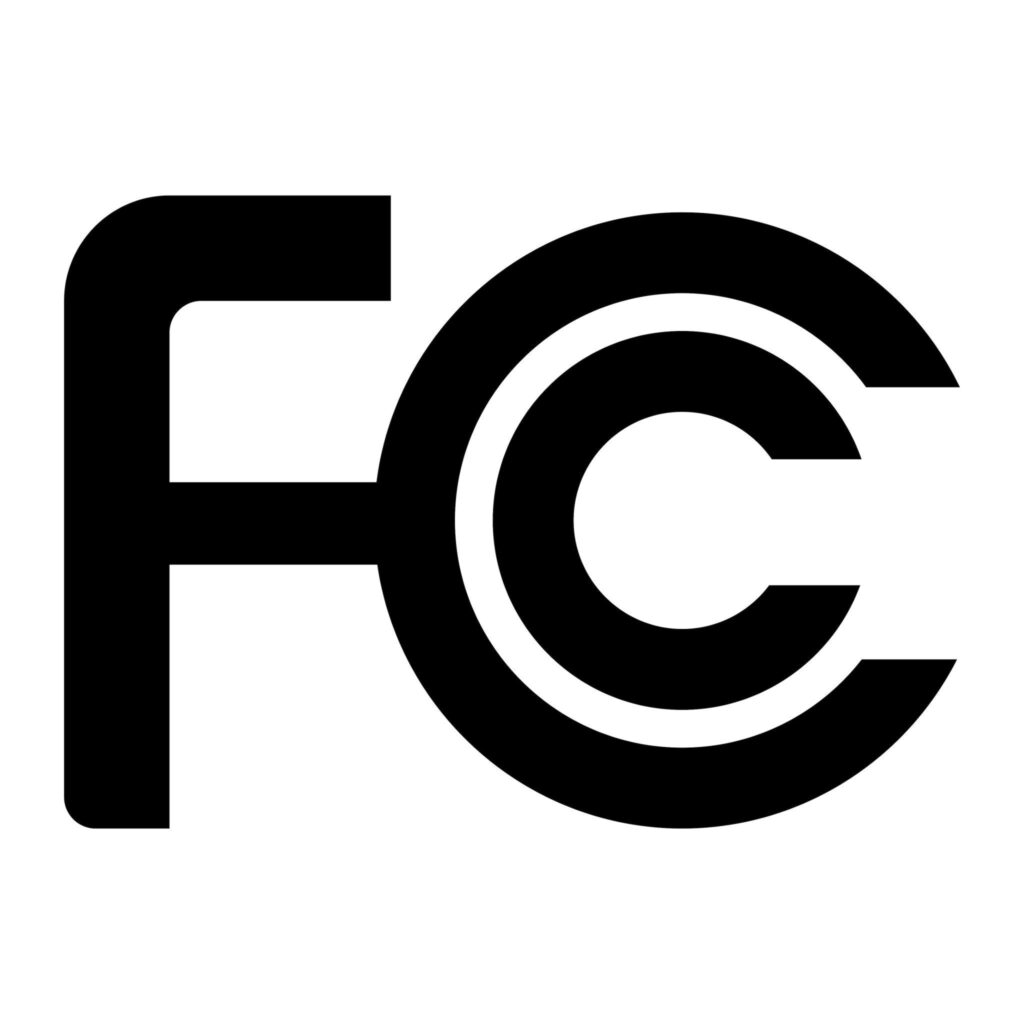
3. FCC (Federal Communications Commission)
- Required in the U.S. for electronic devices
- Ensures the adapter doesn’t cause electromagnetic interference
In simple terms: your adapter won’t mess with Wi-Fi, Bluetooth, or other devices.
4. Other Important Certifications
Depending on your market, you might also see:
- RoHS – Restriction of hazardous substances
- ETL – Similar to UL, widely accepted in North America
- PSE – Japan safety standard
- CCC – China Compulsory Certification
Pro tip: If a supplier can’t clearly provide certification documents… that’s a red flag.
Is a Cheap Power Adapter Safe?
Short answer? Usually, no. Long answer… it depends—but most of the time, cheap adapters cut corners in areas you can’t see.
Let’s break it down.
What Cheap Adapters Often Lack:
- No real certification (or fake labels)
- Poor insulation materials
- Inadequate heat dissipation
- Missing protection circuits
You plug it in, and it works… until it doesn’t.
And when it fails, it tends to fail badly.
So when people ask “is cheap power adapter safe?” — the honest answer is:
It might work, but it’s not worth the risk.
Essential Power Adapter Protection Features
Now this is where things get really important. A safe adapter isn’t just certified—it’s designed with built-in protection systems.
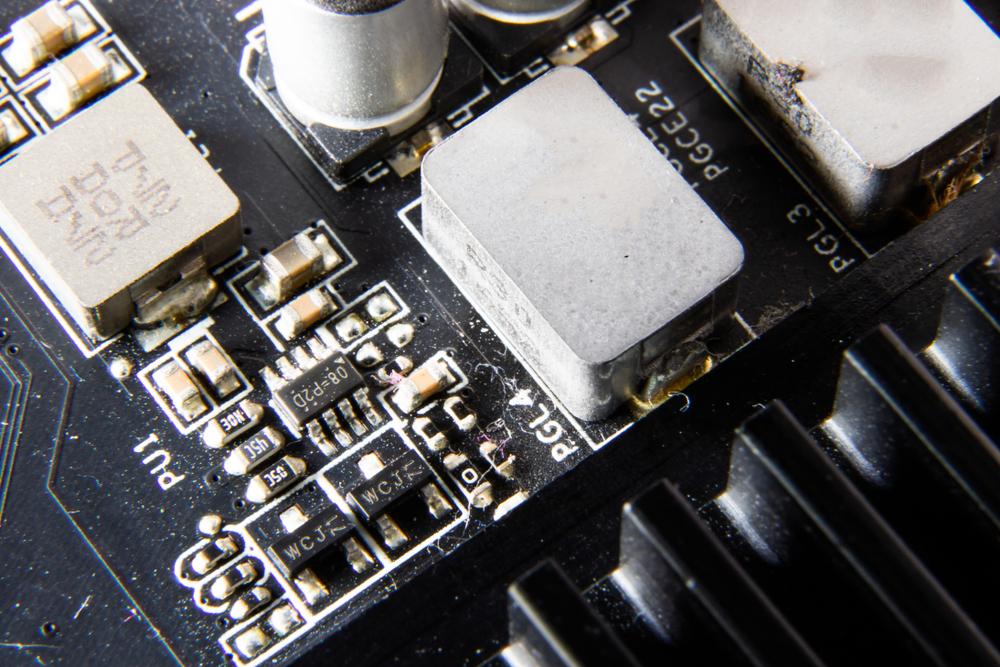
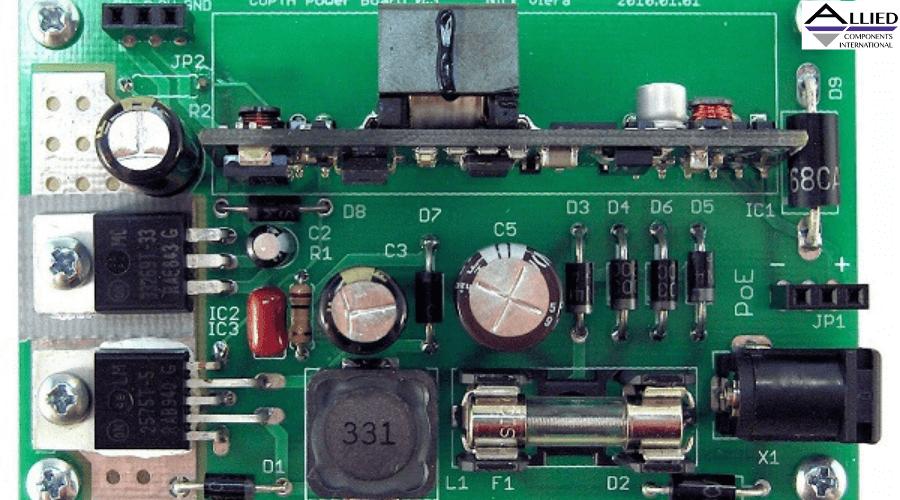
1. Overvoltage Protection (OVP)
Prevents voltage from exceeding safe levels.
Without it? Your device could get “fried” instantly.
2. Overcurrent Protection (OCP)
Stops excessive current from flowing.
Think of it as a safety valve—protecting both the adapter and your device.
3. Short Circuit Protection (SCP)
Automatically shuts down the adapter if a short circuit occurs.
This is critical. Without SCP, a short could lead to sparks—or worse.
4. Overtemperature Protection (OTP)
Prevents overheating by shutting down or reducing output.
If your adapter gets hot enough to worry you… it probably lacks proper OTP.
5. Surge Protection
Handles sudden spikes in power (like lightning or unstable grids).
Especially important in industrial or outdoor environments.
Say it simply:
If you’re evaluating power adapter protection features, these five are the bare minimum.
How to Identify a Safe Power Adapter
Alright, let’s make this practical. Next time you pick up an adapter, here’s what to check:
1. Look for Real Certifications
- UL, CE, FCC marks
- Verify documentation if buying in bulk
- Check for traceable certification numbers
2. Inspect Build Quality
- Solid casing (no loose parts)
- Proper weight (too light = suspicious)
- Clean printing and labeling
3. Check Temperature During Use
- Slight warmth is normal
- Too hot to touch? Not normal
4. Buy from Reliable Manufacturers
Especially for B2B buyers—this is critical.
A trustworthy supplier will:
- Provide full certification reports
- Offer consistent quality
- Support OEM/ODM customization with compliance
5. Avoid “Too Good to Be True” Pricing
You know the saying. If an adapter is significantly cheaper than the market average… there’s a reason.
Certified Power Adapter vs Non-Certified: The Real Difference
Let’s put it side by side:
| Feature | Certified Adapter | Non-Certified Adapter |
|---|---|---|
| Safety Testing | ✔ Thorough | ✘ Minimal or none |
| Protection Features | ✔ Complete | ✘ Often missing |
| Reliability | ✔ Stable | ✘ Unpredictable |
| Compliance | ✔ Legal in target markets | ✘ Risky |
| Long-term Cost | ✔ Lower (fewer failures) | ✘ Higher (replacements, damage) |
Bottom line:
A certified power adapter isn’t an expense—it’s an investment.
Look, nobody gets excited about power adapters. They’re not flashy. But they’re one of those components where cutting corners just doesn’t make sense.
Say it bluntly:
- A cheap adapter might save you a few dollars today
- A safe, certified adapter protects your devices—and your reputation—long term
So whether you’re a consumer or sourcing for business, always ask:
- What certifications should this power adapter have?
- Does it include proper protection features?
- Can I trust this supplier?
Because at the end of the day… Power adapter safety isn’t optional. It’s fundamental.